Opening a Hotel in the Dominican Republic: From Land to First Booking
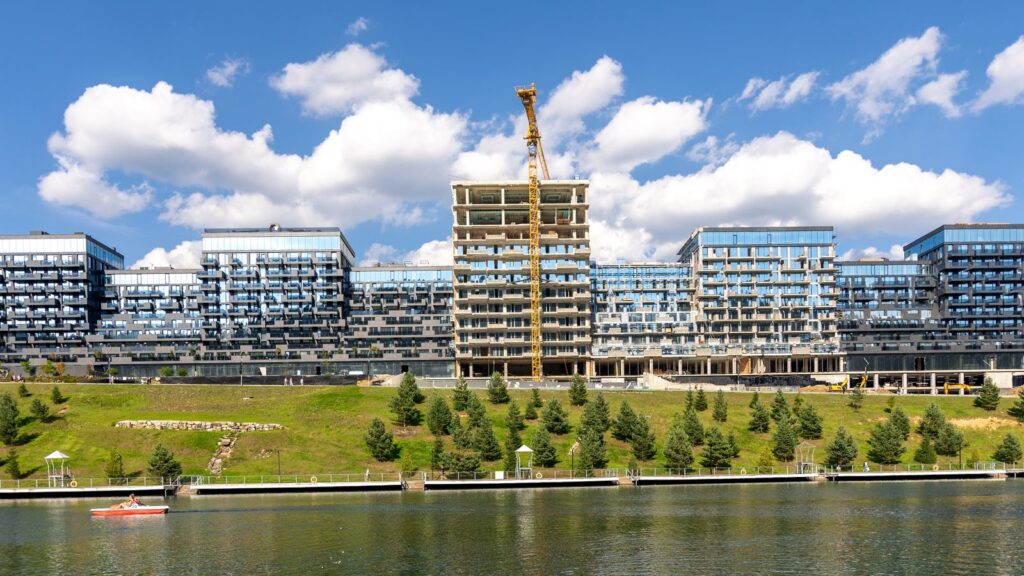
Between signing for the land and taking the first paid booking, two to four years pass in the best case. Most projects that slip do not slip because of construction: they slip because permits were filed late, because a corporate structure had to be rebuilt, or because the hotel opened without a trained team. Almost all of it is avoidable if the decisions are taken in the right order.
This is the real sequence of opening a hotel in the Dominican Republic, phase by phase, with what has to be resolved at each stage, reasonable timeframes, and the mistakes that cost the most.
Phase 1. Before the land: define the product
The most common founding error is buying the land first and deciding afterwards what hotel fits on it. The correct order is the reverse: define the product, and let the product dictate which land works.
Defining the product means answering four things with numbers, not adjectives: which segment it serves, how many keys it will have, what average rate it can sustain in that destination, and which channels its demand will come from. Those four answers determine plot size, common-area square metres, staffing and investment.
A 70-room urban hotel for corporate travellers and a 24-key boutique on the beach are different businesses with different cost structures, as shown in the breakdown of hotel operating costs. Confusing them at design stage is an error management cannot later fix.
The market study that actually helps
Not the one projecting national tourism growth, but the one that counts hotels: how many compete in that micro-destination, with how many keys, at what rate and at what estimated occupancy. Add the supply under construction, which is what will compete when the project opens, not what competes today. Arrivals by destination are published by the Ministry of Tourism, and each market’s profile is compared in areas with the greatest hotel potential.
Phase 2. The land: what to verify before signing
A beautiful plot with a registry or planning problem is the fastest way to lose two years. Six things to verify before signing.
- Current title and registry certification, with a clean chain of ownership and free of charges, encumbrances or registered litigation.
- Survey and boundary registration up to date. Land without an individualised survey is neither financeable nor buildable until that is resolved, and resolving it takes months.
- Municipal land use: whether hotel use is permitted, at what density, maximum height and setbacks.
- Maritime zone. On coastal land, confirm where the public domain begins and what may or may not be built on it. It is the restriction that forces the most beachfront projects into redesign.
- Available services: power with sufficient capacity, potable water, wastewater treatment and road access. Any of these missing is additional investment that rarely appears in the initial projection.
- Protected areas and environmental restrictions nearby, which condition both design and licensing.
The sensible way to manage the risk is a promise of sale with conditions precedent: you sign, pay a deposit, and the purchase only completes if the verifications come back clean within an agreed period.
Phase 3. Corporate structure and incentives
This runs in parallel with the land and defines the tax framework for the next two decades. Rebuilding it later is expensive and sometimes impossible without transferring the property again.
- Company holding the property, incorporated and registered as a taxpayer with the Directorate General of Internal Revenue.
- Decision on separating property from operation. Many projects use one company owning the asset and another operating the business, which makes entering and leaving management or brand contracts possible without touching title.
- Registered trademark with the National Office of Industrial Property. Registering the hotel’s name before printing a single brochure avoids the scenario — more frequent than you would think — of discovering at opening that the name is taken.
- Qualification under the Law 158-01 tourism incentive regime, if the project and the pole allow. It is not automatic by virtue of being in a tourist zone: it is applied for, assessed and resolved. Official investor information is centralised by ProDominicana.
The costly error here is treating the exemption as given in the financial model before holding the resolution. If qualification does not arrive, or arrives reduced, a project that looked viable stops being so.
Phase 4. Permits: the real critical path
Permits are the number one cause of delay, almost always because they are filed sequentially when they could run in parallel. Three main fronts.
Environmental licence
Granted by the Ministry of Environment and Natural Resources, with requirements depending on the project’s size and location: anything from a certificate to a full environmental impact study. On coastal projects it is consistently the longest procedure, and it must begin as soon as the architectural concept is defined, not when construction is about to start.
Construction permits
Municipality and the ministry responsible for public works, plus fire service and utility approvals. They require the full project signed by licensed professionals, so the design schedule governs the permit schedule.
Tourism classification
The establishment’s category and its tourism operating licence are handled through the Ministry of Tourism. It determines facility and service requirements that must be built into the design: seeking the category after construction means renovation.
The operating rule for this phase is simple and almost nobody applies it: build the permit schedule before the construction schedule, identify which permits are prerequisites for others, and start everything without dependencies in parallel.
Financing: how a hotel under construction gets paid for
The phase that decides whether the project opens at all. A hotel generates nothing until inauguration, so two to four years of spending without income has to be funded.
- Equity. Local banks rarely finance a hotel project beyond half its cost, so the developer’s contribution weighs far more than in other real estate sectors.
- Construction debt, drawn against certified progress and converted to long-term financing after opening. Rate and term depend on the quality of the feasibility study and on the security offered.
- Pre-sale of units if the project is a condo-hotel. It funds construction with buyers’ money, in exchange for the developer losing full ownership of the asset and taking on obligations to each buyer, as detailed in how a condo-hotel rental programme works.
- Equity partners, with a stake in the asset-owning company and a clear agreement on governance, distributions and exit.
What banks scrutinise most closely is neither the design nor the location: it is the coherence between the revenue projection and how the destination actually behaves, and who is going to operate the hotel. A project with a signed management agreement with a credible operator finances on better terms than the same project with no operator defined, and that difference is measurable in the rate.
The error of sizing the loan to opening day
The financial structure must cover construction, initial supplies, pre-opening and the working capital of the ramp-up curve. Projects that fail rarely fail for not finishing the building: they fail by finishing it and having nothing left to operate it with while occupancy climbs. It is the same reasoning we apply to assessing a running operation in what a hotel management company does.
Phase 5. Design: deciding with the operation in the room
A hotel designed by architects alone is beautiful and expensive to run. The design decisions that most affect the result over twenty years are distinctly unglamorous.
- Service circulation separated from guest circulation. Without it, the laundry trolley crosses the lobby every day.
- Room mix matched to the destination’s real demand, not to what looks best on the plan. A surplus of suites in a corporate destination is inventory that does not sell.
- Energy efficiency. Energy is one of the heaviest items in Dominican operations: insulation, occupancy-linked climate control and efficient hot water pay for themselves.
- Decent staff areas: canteen, changing rooms, lockers. Their absence translates into turnover, and turnover into permanent training cost.
- Sufficient storage. A storage deficit forces small, frequent purchasing, which is the most expensive way to buy.
This is why the operator should join during design rather than at opening. It is also the moment to decide whether the hotel will carry a brand, because chain standards shape the product from the drawing board, as we explain in franchise versus independent operator.
Phase 6. The twelve months before opening
While construction advances, pre-opening runs in parallel, and that is where it is decided whether the hotel opens full or empty. A reasonable calendar, counting backwards from the opening date.
- Twelve months out. Management agreement signed — with the structure detailed in the hotel management agreement — pre-opening budget approved and brand plan defined.
- Nine months out. Systems selected: property management, booking engine, channel manager and point of sale. And the first year’s rates built, not improvised.
- Six months out. Sales open. The most underestimated point: a hotel that starts selling in the month it opens loses the entire advance booking window. Negotiations with online agencies and tour operators belong here too.
- Four months out. Management team hired and initial supplies purchased: linen, china, amenities, uniforms.
- Two months out. Operational staff hired, with the Labour Code obligations overseen by the Ministry of Labour, and the training programme under way.
- One month out. Systems testing, service rehearsals and a soft opening at limited occupancy to iron out problems before exposure to reviews.
Phase 7. The first two years
A new hotel does not reach stabilised occupancy in year one. The typical curve climbs from low occupancy in the opening year to market level in the second or third, and the financial model has to allow for it with working capital sufficient to sustain that ramp-up.
Three priorities in that period, in order.
- Reputation before rate. The first hundred reviews fix how the hotel is perceived for years. Conceding some rate early in exchange for a high score beats defending price with a service that is not yet running smoothly.
- Build the direct channel from day one. It is cheaper to do while growing than to win back from the agencies later.
- Measure with the right indicators. Occupancy, average rate, RevPAR and the indices against the competitive set, as explained in RevPAR, ADR and occupancy. A new hotel with a low RevPAR may be gaining share quickly, and that only shows through comparison.
The five most expensive mistakes
- Buying the land before defining the product. Everything else is built on that decision.
- Filing permits sequentially. It turns twelve months of procedures into twenty-four.
- Bringing the operation in at opening rather than at design. It leaves plan-stage errors that are paid for daily over twenty years.
- Starting to sell too late. Opening with an empty book forces rate cuts from day one and a fight to recover afterwards.
- Budgeting without a ramp-up curve. Without working capital for two years, the project runs out of air precisely as it begins to work.
Conclusion: order matters more than speed
Opening a hotel is a sequence of decisions in which each one conditions the next. Defining the product before the land, filing permits in parallel, putting the operation into the design and starting to sell six months ahead do not individually accelerate the project: what they do is prevent the backtracking, which is where the time is actually lost.
You can see projects we have accompanied from before construction in our portfolio, meet the team in management team, and see how we join a project in our collaboration process and solutions.
Frequently asked questions about opening a hotel in the Dominican Republic
How long does it take to open a hotel from scratch?
Two to four years from buying the land, depending on size and permit complexity. Coastal projects tend towards the upper end because of environmental procedures and maritime zone restrictions.
When should the operator be appointed?
Ideally during design, and at minimum twelve months before opening. Their input at plan stage — circulation, room mix, technical and staff areas — prevents errors that cannot later be corrected without construction.
When should sales begin?
At least six months before opening, with rates built and channels negotiated. Opening without an advance booking window forces the hotel to compete on price from day one.
Is the Law 158-01 exemption automatic?
No. It is applied for, assessed and resolved according to the project and the tourism pole. Building it into the financial model before holding the resolution is one of the most serious risks in the structuring phase.
Which permit usually delays a project most?
The environmental licence on coastal projects, because of the scope of impact study it can require. It must begin as soon as the architectural concept is defined, not when construction is about to start.
How much working capital is needed after opening?
Enough to sustain two years of ramp-up, because a new hotel does not reach stabilised occupancy in its first year. Budgeting only to inauguration is the classic error behind projects that run out of air just as they start working.
Should a hotel open with an international brand from the start?
It depends on the destination and segment, and the decision belongs in the design phase because chain standards shape the plan. In urban and business markets the flag brings demand from day one; in leisure destinations dominated by tour operators its weight is smaller.
How do you choose the operator at project stage?
With the same verifiable questions you would use for a running hotel — fee structure, additional charges, reporting template, signing authority, performance clause and exit protocol — plus one specific to projects: what they contribute during design and who contributes it. The eight questions are set out in how to choose an operator before signing. An operator who appears only on opening day took part in none of the decisions that will shape the operation for twenty years.